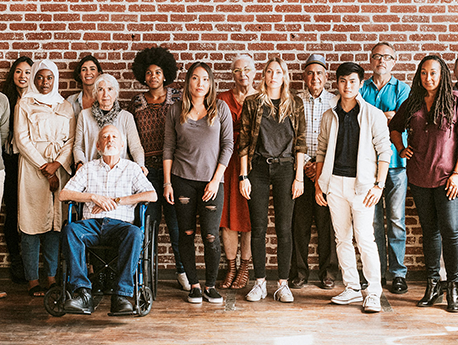
I want to show the power of framing RUOK around stigma rejection and the broader issues of the masses. By speaking to the masses, we’re not just addressing people with clinical diagnoses—you’re reaching anyone who has ever felt “not good enough,” excluded, or pressured by society’s expectations.
Core Messaging Pillars
- Universality: Show that stigma rejection touches everyone—appearance, age, caregiving, work, identity.
- Evidence + Empathy: Blend WHO, SAMHSA, APA, NIMH research with lived stories so the blog feels both credible and human.
- Actionable Hope: Always pivot from describing harm to offering pathways forward (toolkits, community care, trauma-informed design).
- Symbol as Anchor: Position RUOK’s symbol as the visual shorthand for dignity, belonging, and collective healing.
Theme: “RUOK: Speaking to the Masses”
- Series of Blog Posts: Each tackles a universal issue (appearance, family guilt, isolation, economic stress, digital pressures).
- Research Hub Integration: WHO for global framing, SAMHSA for community tools, APA/NIMH for clinical depth, plus MHA/NAMI for grassroots empowerment.
- Community Engagement: Invite readers to share their own “stigma rejection moments” and how they overcame them.
- Visual Branding: Use the RUOK symbol consistently as a reminder that no one is alone in these struggles.
RUOK Blog Editorial Calendar with Research Anchor
Week 1
“Why Symbols Heal: The Science of Visual Anchors”
- Focus: Introduce RUOK’s symbol as more than design—it’s a healing tool.
- Research Anchor: Research on trauma-informed design and semiotics in mental health.
- Audience Connection: Show how symbols can reduce stigma and create belonging.
Week 2
“Trauma-Informed Design: What It Means for Everyday Spaces”
- Focus: Explain the principles of trauma-informed design in accessible language.
- Research Anchor: SAMHSA’s six trauma-informed principles.
- Audience Connection: Offer practical examples (schools, clinics, websites).
Week 3
“Accessibility as Emotional Safety”
- Focus: Connect accessibility standards to psychological safety.
- Research Anchor: ADA guidelines + research on inclusive environments.
- Audience Connection: share stories of how small changes (fonts, colors, ramps) impact dignity.
Week 4
“Community Care vs. Isolation: What the Data Shows”
- Focus: Highlight research on peer support and diversion programs.
- Research Anchor: NIH and APA studies on community-based interventions.
- Audience Connection: Pair stats with a short narrative of someone finding support.
Week 5
“RUOK in Action: Building a Movement Together”
- Focus: Update on RUOK’s progress (symbol, website, partnerships).
- Research Anchor: Cite collaborative models in public health movements.
- Audience Connection: Invite readers to see themselves as co-builders of the movement.
Week 6
“Stigma Reduction: Lessons from Global Mental Health Campaigns”
- Primary Resource: APA (research on semiotics, psychology of symbols)
- Research Anchor: WHO reports on stigma reduction.
- Audience Connection: Inspire RUOK’s audience with global resonance and local application.
Research Hub References
🌍 WHO (World Health Organization)
- Global authority on public health and stigma reduction.
- Key resource: Mosaic Toolkit (2024), which offers a four-step process and case studies for ending stigma worldwide.
- Emphasizes human rights, peer leadership, and inclusive campaigns.
Sources:
🇺🇸 SAMHSA (Substance Abuse and Mental Health Services Administration)
- National U.S. leader in behavioral health and stigma reduction.
- Resources include the Anti‑Stigma Toolkit (2023) and National Anti‑Stigma Campaigns, which provide practical tools for communities, recovery organizations, and providers.
- Focuses on affirming language, culturally informed practices, and community-based prevention.
- Perfect for RUOK’s blog posts that want to connect research to grassroots, community-level action.
🧠 APA (American Psychological Association / American Psychiatric Association)
- Professional authority shaping clinical practice and research.
- APA highlights stigma even among providers, urging person-first, non-stigmatizing language.
- Reports emphasize that people with lived experience are key change agents in stigma reduction.
- Ideal for RUOK’s blog when connecting clinical credibility with inclusive design and advocacy.
Additional Accredited Resources
- National Institute of Mental Health (NIMH)
- The U.S. federal agency for mental health research.
- Offers accessible summaries of peer-reviewed studies, statistics, and public education materials.
- Perfect for RUOK posts that want to ground emotional storytelling in complex data (e.g., prevalence of trauma, impact of stigma on treatment access).
- Mental Health America (MHA)
- One of the oldest community-based nonprofits in the U.S. focused on prevention and early intervention.
- Provides toolkits, screening resources, and advocacy guides.
- Useful for RUOK’s blog when connecting research to practical community action and empowering readers with tools.
- National Alliance on Mental Illness (NAMI)
- The largest grassroots mental health organization in the U.S.
- Known for its peer-led programs and stigma reduction campaigns.
- Ideal for RUOK posts that highlight lived experience and community care, aligning with your trauma-informed philosophy.
- The Lancet Psychiatry / Global Mental Health Journals
- Peer-reviewed, international journals publishing cutting-edge research.
- Excellent for citing global evidence alongside WHO, especially when RUOK wants to show alignment with the latest science.
Systemic and Everyday Challenges that resonate widely:
Economic Stress & Inequality
-
- Rising costs of housing, food, and healthcare.
- Job insecurity and wage gaps.
- These pressures often compound mental health struggles and community instability.
- Access to Healthcare
- Limited availability of affordable, trauma-informed mental health services.
- Long wait times, insurance barriers, and geographic disparities.
- Creates cycles of untreated conditions and worsening stigma.
- Social Isolation & Loneliness
- Increasingly recognized as a public health crisis.
- Affects all ages—from seniors living alone to young people navigating digital disconnection.
- Discrimination & Bias
- Racism, sexism, ageism, ableism, and other forms of bias.
- These intersect with stigma rejection, amplifying exclusion and harm.
- Family & Caregiving Pressures
- Guilt and stress around caregiving decisions (placing loved ones in homes, balancing work and family).
- Generational caregiving burdens—“sandwich generation” caring for both children and aging parents.
- Education & Youth Stressors
- Bullying, academic pressure, and inequitable access to resources.
- Appearance-based rejection (too short, too tall, not “good looking”) often begins in school settings.
- Digital & Social Media Pressures
- Constant comparison, cyberbullying, and misinformation.
- Amplifies feelings of inadequacy and stigma rejection.
- Community Safety & Trust
- Violence, substance use, and lack of safe spaces erode trust.
- Trauma-informed community design becomes essential for resilience.
Why This Matters for RUOK
These issues intersect with stigma rejection—economic stress, isolation, and discrimination all magnify feelings of “not good enough.”
- By addressing them, RUOK can position itself as a movement for collective healing, not just individual support.
- Blog posts could frame stigma rejection as one thread in a larger tapestry of challenges, showing readers that RUOK is attuned to the whole lived experience of citizens.
A strong next step could be to create a series of thematic posts:
- “Stigma and the Economy”
- “Stigma and Isolation”
- “Stigma and Caregiving”
- “Stigma and Digital Life”
Each would blend research (WHO, SAMHSA, APA, NIMH) with stories of everyday rejection and resilience, making RUOK’s blog both relatable and authoritative.